
How do you know?
This is another article about critical thinking...

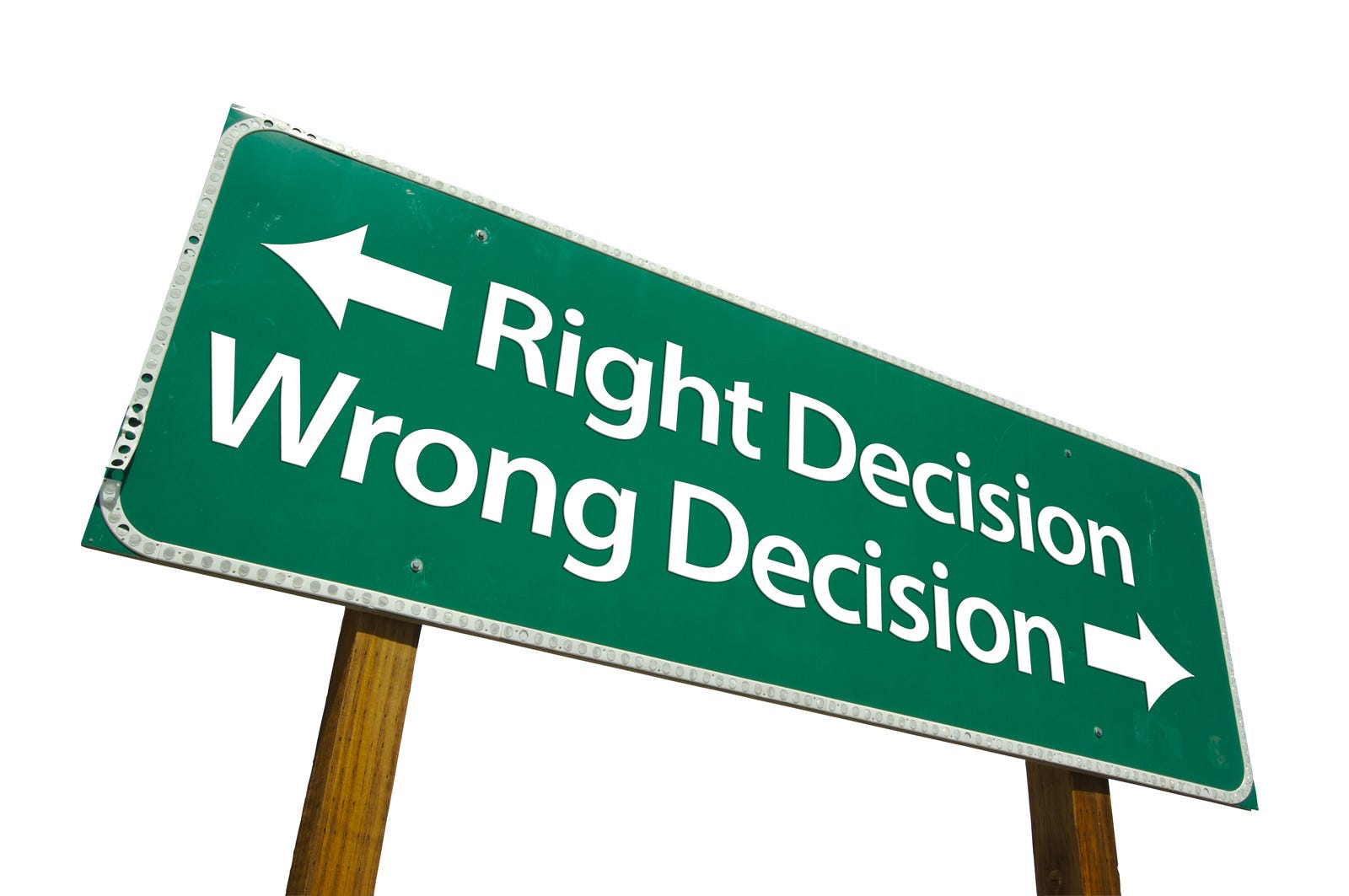
How do you know that what you think or believe is true?
How do you validate your decisions and your beliefs?
What are you basing those decision and beliefs on?
How you lead within your organization matters – that’s obvious. And that means the questions you ask yourself about everything from who you are and how you want to show up and be perceived; about the strategic choices you make on how to go forward professionally and personally; about the ways you interact with your community, in person and online – all these are questions that must be taken seriously.
And yes, I said “must.” Because the damage that’s so easily done when someone doesn’t stop to ask these questions can be, and often is, significant.
We’d all prefer obvious choices – black and white, yes or no, binary, no gray area.
But that’s not life, and it’s not how leadership works.
Critical thinking requires us not to take anything at face value.
If that sounds cynical or suspicious, it’s not meant to be either; it’s simply that, especially in today’s era of AI slop, misuse of AI, misinformation, and disinformation, we must be at least somewhat skeptical. We must question our sources, learn which sources are reliable, and ask ourselves why we think they’re reliable. Are they really? Or are they just confirming what we would like to believe?
We must learn to ask questions, even about things we might want to believe, might wish were true, and might feel tempted to join into.
That temptation is real. And the effort to dig deeper is just that: an effort, and one that carries risks when we question and perhaps debunk something that those around us are committed to believing.
The effort and the risk are worth it, if we want to be a leader with integrity.
We need to be ready to learn, to change our minds, to adopt new and different opinions and beliefs.
That’s what real leadership is.
NOTES
A few definitions:
AI slop: low-quality content created by AI without discernment or human creativity
AI misuse: using AI to deliberately mislead, whether that’s putting it forward as your own creative effort, or creating content that’s known to be untrue or unreal
Misinformation: anything that’s not true, but is shared unknowingly. See: question your sources!
Disinformation: anything untrue that’s deliberately shared; otherwise known as propaganda and lying.
Photo credit: Canstockphoto.com - Feverpitched (note: CanStockPhoto is no longer in business.)